Why Pop-Up Retail Is the Fastest Way to Test a Brand
The Limits of Online-Only Selling
Many new brands today start the same way: online. A store launches on social media, lists products on an e-commerce platform, and begins running ads or posting content. While online selling is powerful, it often creates a major blind spot — founders rarely get direct feedback from real customers.
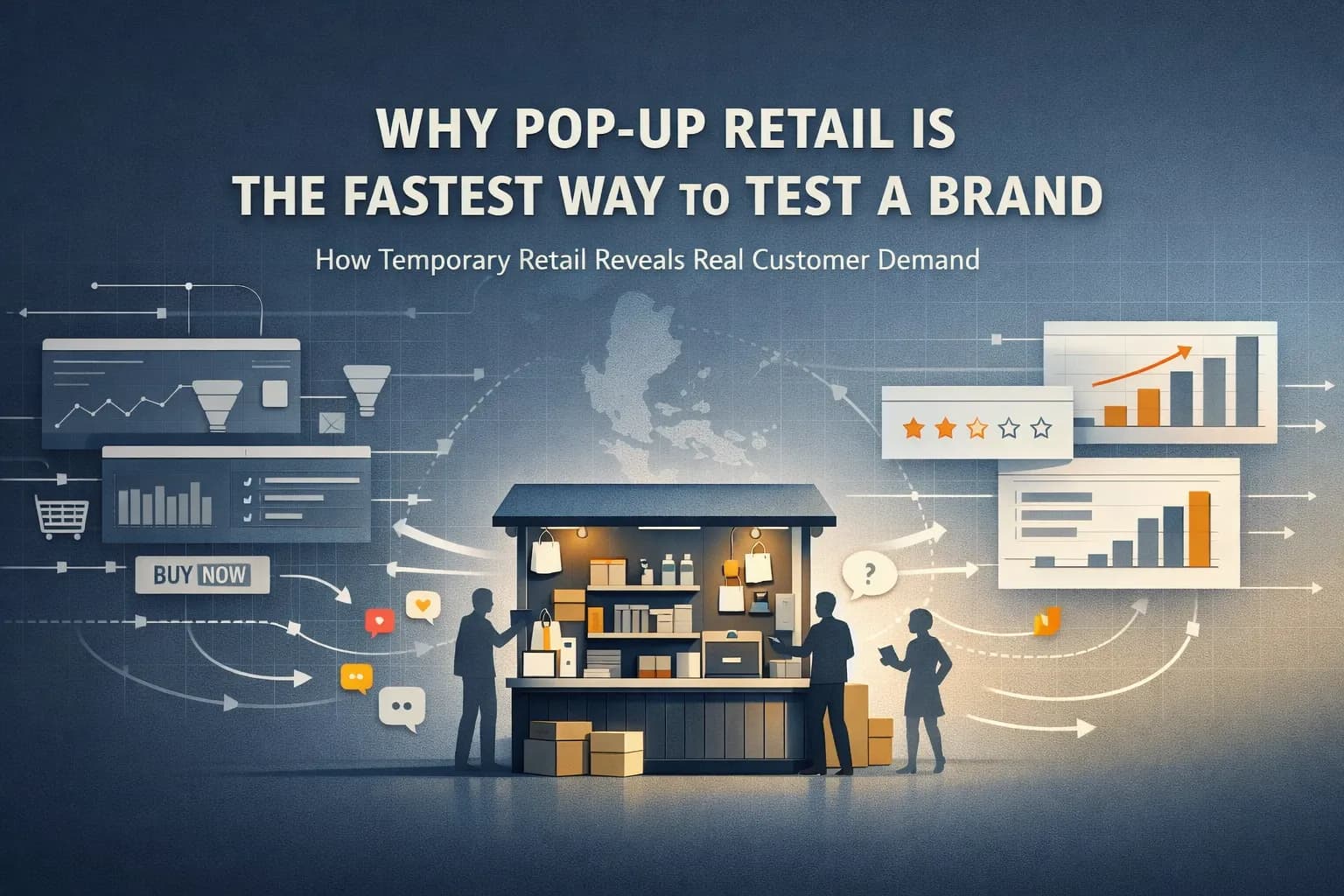
Pop-up retail and bazaar booths solve this problem. Before committing to permanent retail spaces or scaling inventory, temporary retail setups allow brands to test demand, validate products, and gather real market insights quickly. In many cases, a single weekend event can reveal more useful information than months of online selling.
Online commerce offers reach and convenience, but it also removes a critical layer of customer interaction. When a brand relies purely on online channels, founders often struggle to understand why customers hesitate to buy, which products people are most curious about, how customers react to pricing, and what questions buyers frequently ask. Analytics dashboards can show clicks and conversions, but they rarely reveal customer psychology.
What Pop-Up Retail Reveals That Online Stores Cannot
Temporary retail booths provide a real-world testing ground where brands can observe customer behavior in real time. These environments generate valuable insights that are difficult to capture online.
Price Sensitivity
Online, price testing usually requires multiple experiments or advertising campaigns. At a bazaar booth, founders immediately see how customers react when they hear the price. Within a few hours, it becomes clear whether a product is priced correctly, underpriced, or too expensive.
Product Interest
Online stores rely on clicks and impressions to estimate interest. In a physical booth, interest is visible. Founders can see which products people pick up first, which items attract attention from across the aisle, and which products generate the most questions. Sometimes the expected bestseller ends up being ignored, while another item unexpectedly becomes the crowd favorite.
Foot Traffic Conversion
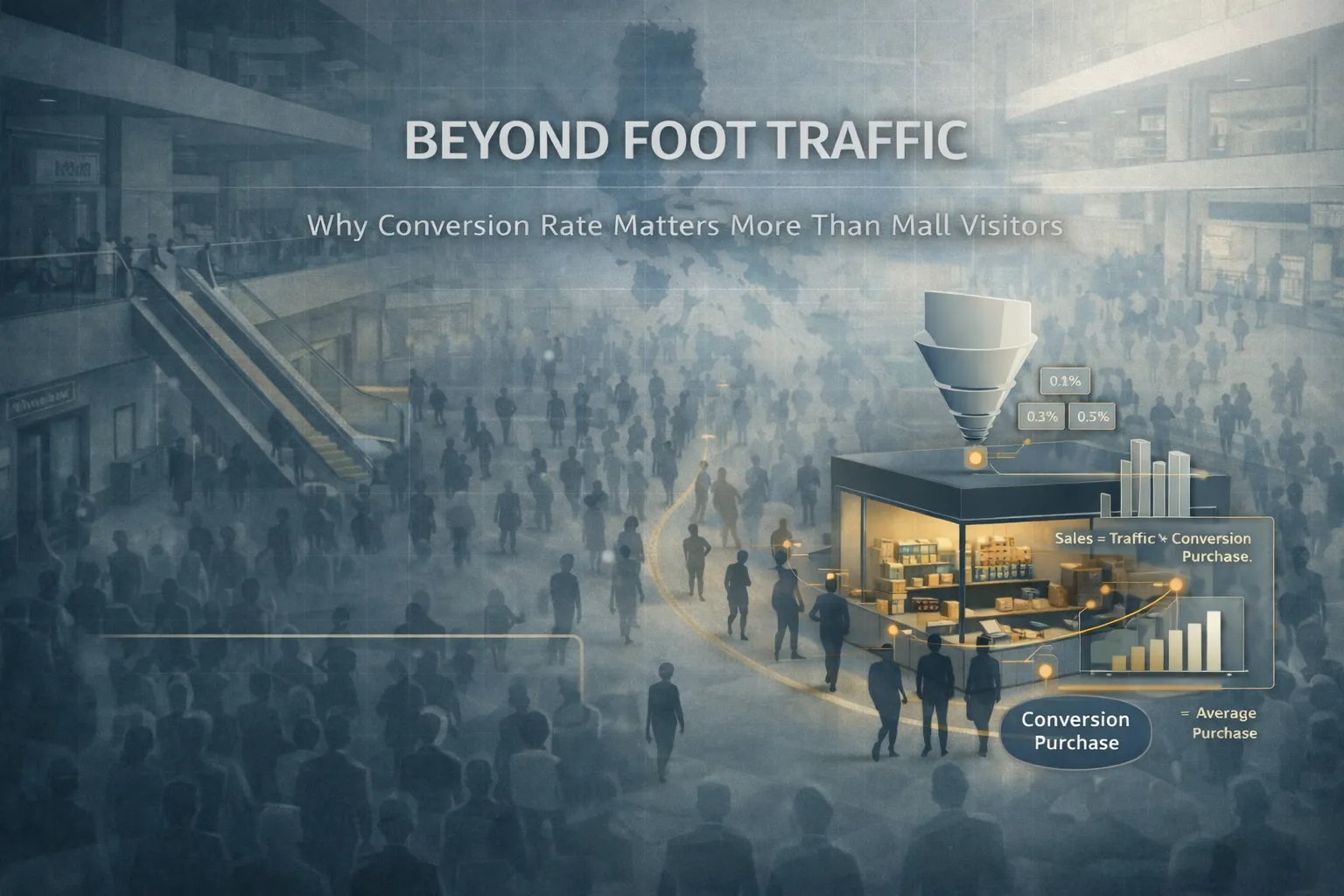
Bazaar environments allow brands to measure how many people walk past the booth versus how many actually buy. This reveals whether the booth design attracts attention, whether product displays are effective, and whether pricing matches the event audience. Understanding why conversion rate matters more than raw foot traffic is just as important at events as it is in permanent retail.
Customer Questions and Objections
One of the most overlooked advantages of pop-up retail is hearing customers' questions directly. In person, shoppers ask things like "How does this work?", "What games does this support?", "Is there warranty?" These questions reveal exactly where product presentation needs improvement and often lead to better product descriptions, website copy, and packaging explanations.
Why Bazaars Compress Months of Feedback Into Days
Retail events bring together hundreds or thousands of potential customers in a short period of time. Instead of waiting weeks for online orders to trickle in, founders can observe hundreds of interactions, dozens of purchase decisions, and multiple pricing reactions — all within a single event.
This condensed feedback loop allows brands to quickly refine product selection, pricing strategy, display design, and messaging. What might take months of online experimentation can often be learned in two or three days at a well-attended event.
Real-World Pop-Up Retail Experiences
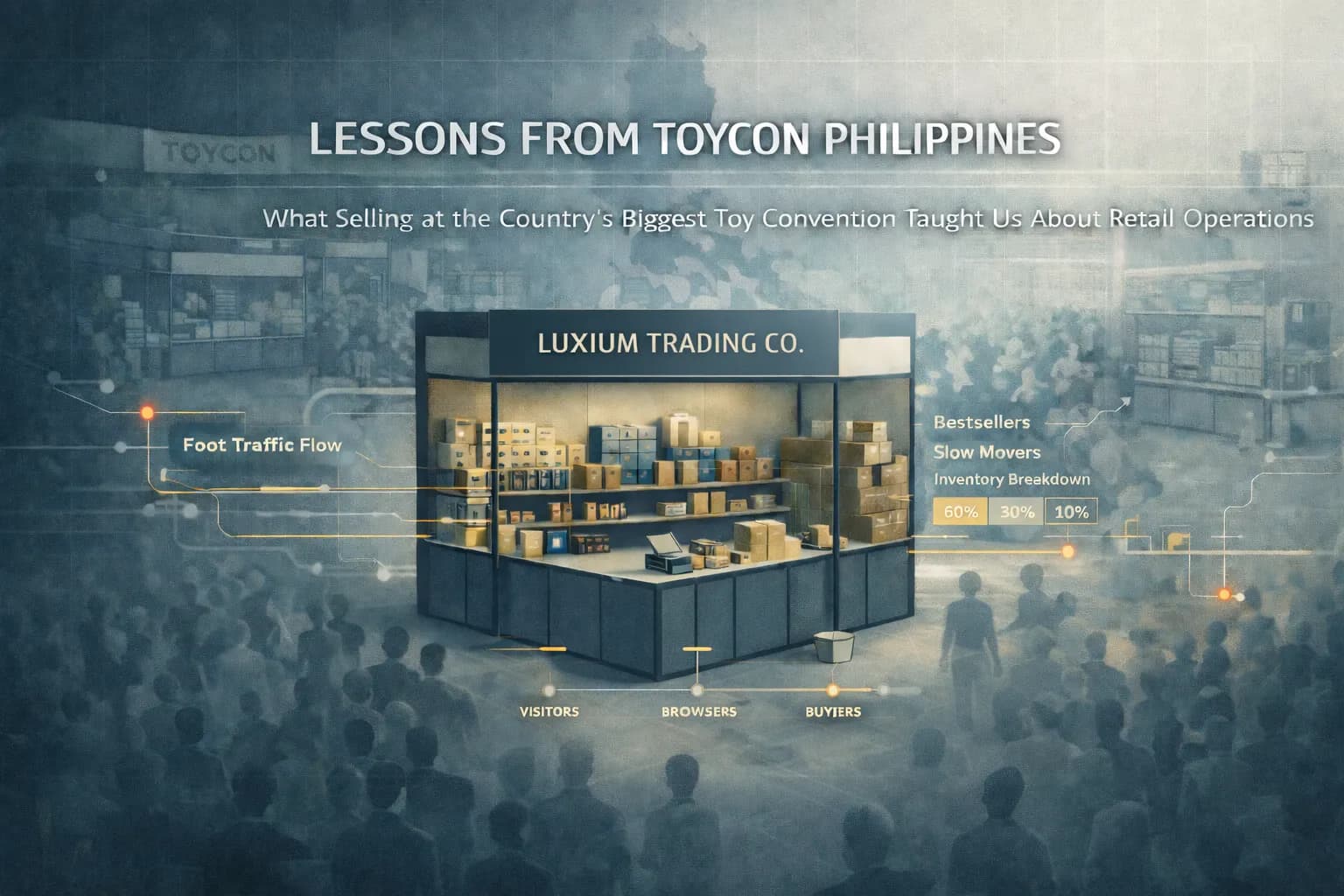
Across multiple retail brands, pop-up booths have proven to be one of the fastest ways to validate demand and build brand awareness. Brands supported by Luxium Trading Co. have participated in various retail events and bazaars, including ToyCon Philippines, Pop Asia, Geek+Pop, The Grand Lason, alongside smaller retail bazaars in venues like Corner House.
These events attract communities already interested in collectibles, gaming, designer toys, and niche consumer products. For brands like The Blind Box Factory and GameCove, these events provide direct exposure to the exact audiences most likely to become repeat customers. Our lessons from ToyCon Philippines offer a detailed look at what works and what does not at large-scale events.
What Makes a Successful Bazaar Booth
Simply showing up at an event is not enough. Successful booths focus on booth structure with layered displays and clear product grouping, product presentation that communicates value immediately, and strong operational logistics including inventory preparation, payment systems, stock replenishment, and organized storage.
Without this preparation, high foot traffic can quickly turn into operational chaos.
The Real Lesson
Online selling is powerful, but it often hides critical signals behind screens and analytics dashboards. Pop-up retail environments reveal the human side of commerce. You see hesitation. You hear objections. You watch customers compare products. And within a few days, brands gain a level of insight that would otherwise take months to uncover.
For many businesses, the fastest way to validate a product is not another online campaign — it is simply standing behind a booth and watching how people react. Luxium's procurement and distribution services support brands preparing for event retail — from sourcing products to ensuring inventory arrives on time.