Lessons From ToyCon Philippines: What We Learned Selling at the Country's Biggest Toy Convention
The Scale of ToyCon Philippines
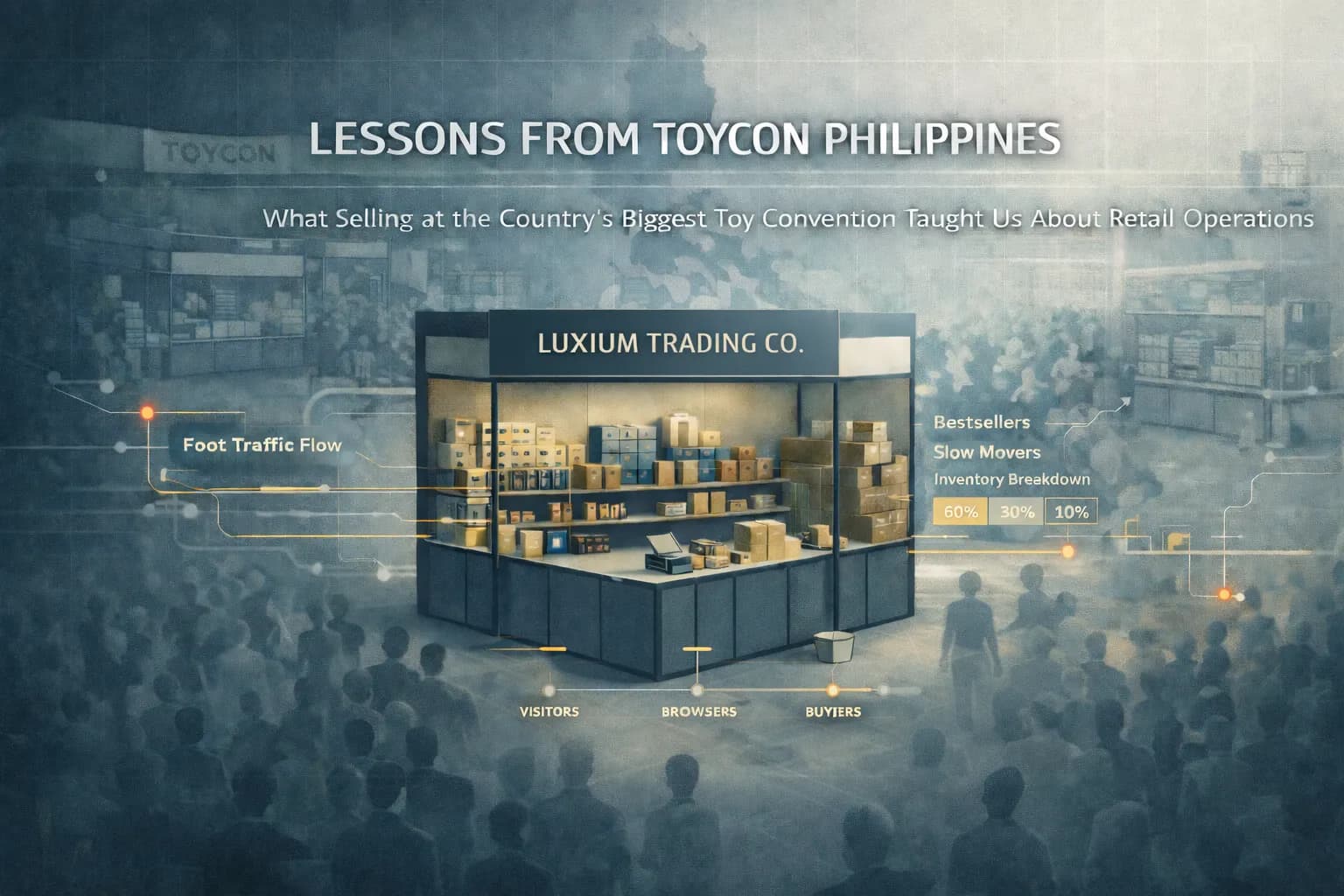
ToyCon Philippines is one of the largest pop culture and toy conventions in Southeast Asia, drawing tens of thousands of attendees over a multi-day event. For brands in the collectibles, gaming, and designer toy space, it represents one of the highest-concentration opportunities to reach target customers in a single weekend.
Luxium Trading Co. supported retail operations for brands including The Blind Box Factory and GameCove at multiple ToyCon events. These experiences provided practical lessons that apply to any business considering event-based retail.
Lesson 1: Inventory Planning Is Everything
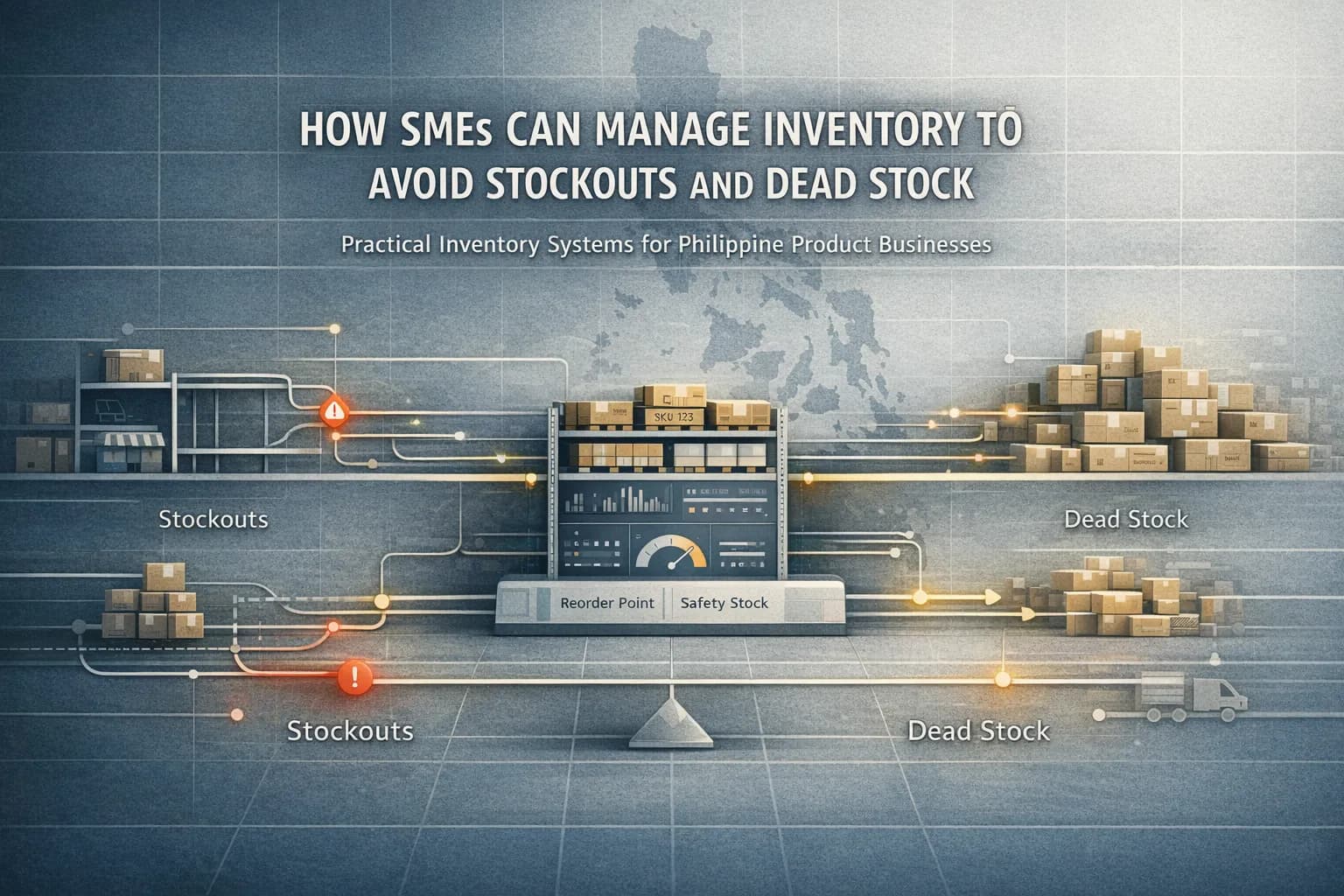
The single biggest mistake at events is bringing too little inventory of bestsellers and too much of slow movers. The same principles that apply to everyday inventory management apply at events — just compressed into a much shorter window. At our first ToyCon, we underestimated demand for certain blind box series and sold out within the first few hours of Day 1. Meanwhile, some accessories we expected to move quickly sat untouched.
The solution was data-driven preparation. Before subsequent events, we analyzed our online sales data, social media engagement per product, and pre-event buzz to forecast demand more accurately. We also implemented a tiered display strategy — featuring high-demand items prominently while keeping backup stock accessible for rapid replenishment.
The 60-30-10 Rule
We developed a simple inventory allocation framework: 60% of booth inventory should be proven bestsellers, 30% should be newer items with strong pre-event interest, and 10% should be experimental or exclusive products. This prevented both stockouts and dead inventory.
Lesson 2: Booth Design Converts More Than Product Selection
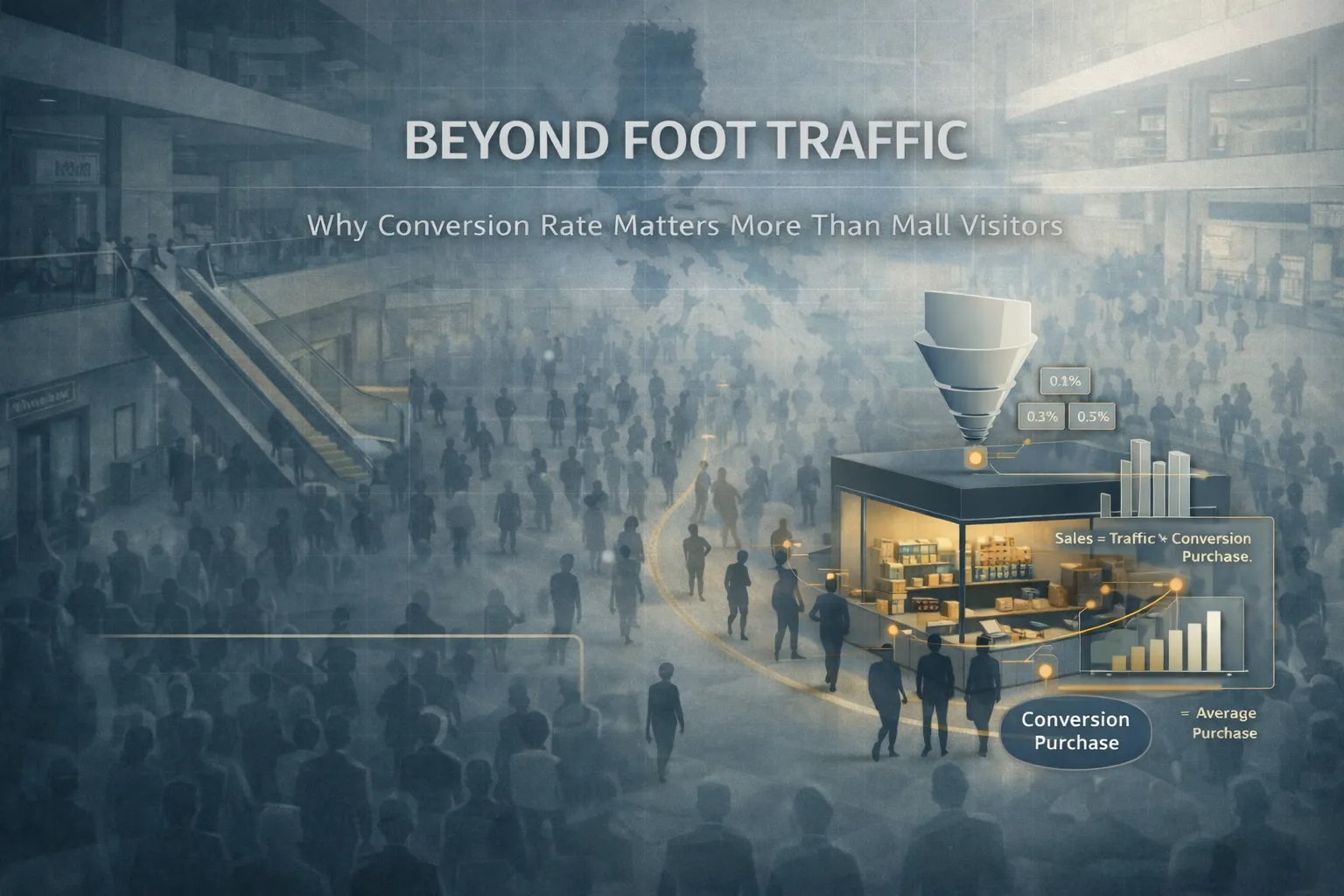
At a convention with hundreds of booths, the first challenge is getting people to stop walking. We learned that booth design has a disproportionate impact on conversion compared to product selection alone. As we discuss in our analysis of why conversion rate matters more than foot traffic, getting people to stop is the first challenge in any physical retail environment.
Key elements that increased foot traffic to our booths included elevated product displays that were visible from the aisle, live product demonstrations for gaming handhelds, clear pricing signage that eliminated the need to ask, and an open booth layout that invited browsing rather than creating a barrier.
At one event, simply raising our main display shelf by 12 inches increased the number of people who stopped at the booth by an estimated 30-40%.
Lesson 3: Event-Exclusive Offers Drive Urgency
Products available everywhere online do not create urgency at events. We learned to create event-specific value through bundle deals not available online, first-access to new releases, event-exclusive packaging or colorways, and limited quantity announcements. These tactics transformed casual browsers into buyers by creating a reason to purchase now rather than later.
Lesson 4: Operational Logistics Make or Break Day 2 and 3
Day 1 of any event runs on adrenaline. Day 2 and 3 expose operational weaknesses. Teams get tired, inventory gets disorganized, and small inefficiencies compound.
We learned to prepare detailed operational checklists covering shift schedules, cash and payment system management, inventory reconciliation at end of each day, restocking procedures for the next morning, and emergency contingency plans for equipment failures.
The teams that treated multi-day events like a retail operations exercise — not just a sales opportunity — consistently outperformed.
Lesson 5: Post-Event Follow-Up Is an Underused Channel
Most exhibitors pack up after the event and move on. We discovered that post-event engagement — reaching out to customers who purchased, sharing event photos on social media, and offering follow-up deals — converted event buyers into long-term online customers.
After implementing post-event email follow-ups and social media content, we saw a measurable increase in online store traffic in the two weeks following each event.
The Bigger Picture
Event retail is not just about selling products for a weekend. It is a compressed market research opportunity, a brand-building exercise, and a customer acquisition channel. The insights gained from watching thousands of people interact with products in real time are invaluable for shaping product strategy, pricing decisions, and retail operations throughout the year. For businesses looking to participate in events like these, Luxium's procurement and distribution capabilities help ensure inventory is sourced, prepared, and delivered on time.