Pricing for Philippine SMEs: Building Sustainable Product Margins
Introduction
Pricing is one of the most misunderstood decisions in small business operations.
Many founders price products using a simple formula: cost + small markup. The logic seems reasonable — buy a product for ₱100, add 20–30%, sell it for ₱120–₱130.
In reality, this approach often leads to unsustainable margins and operational strain.
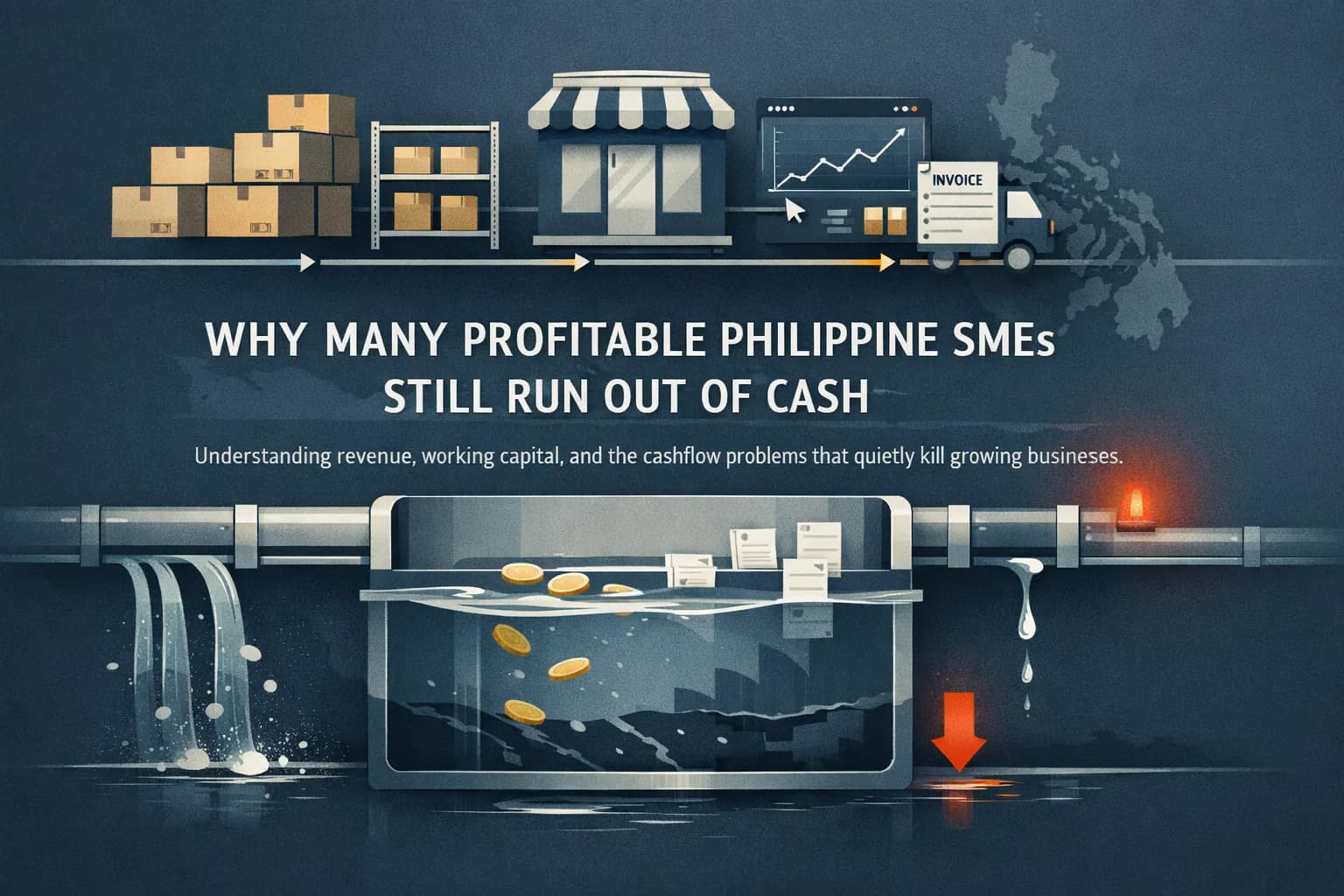
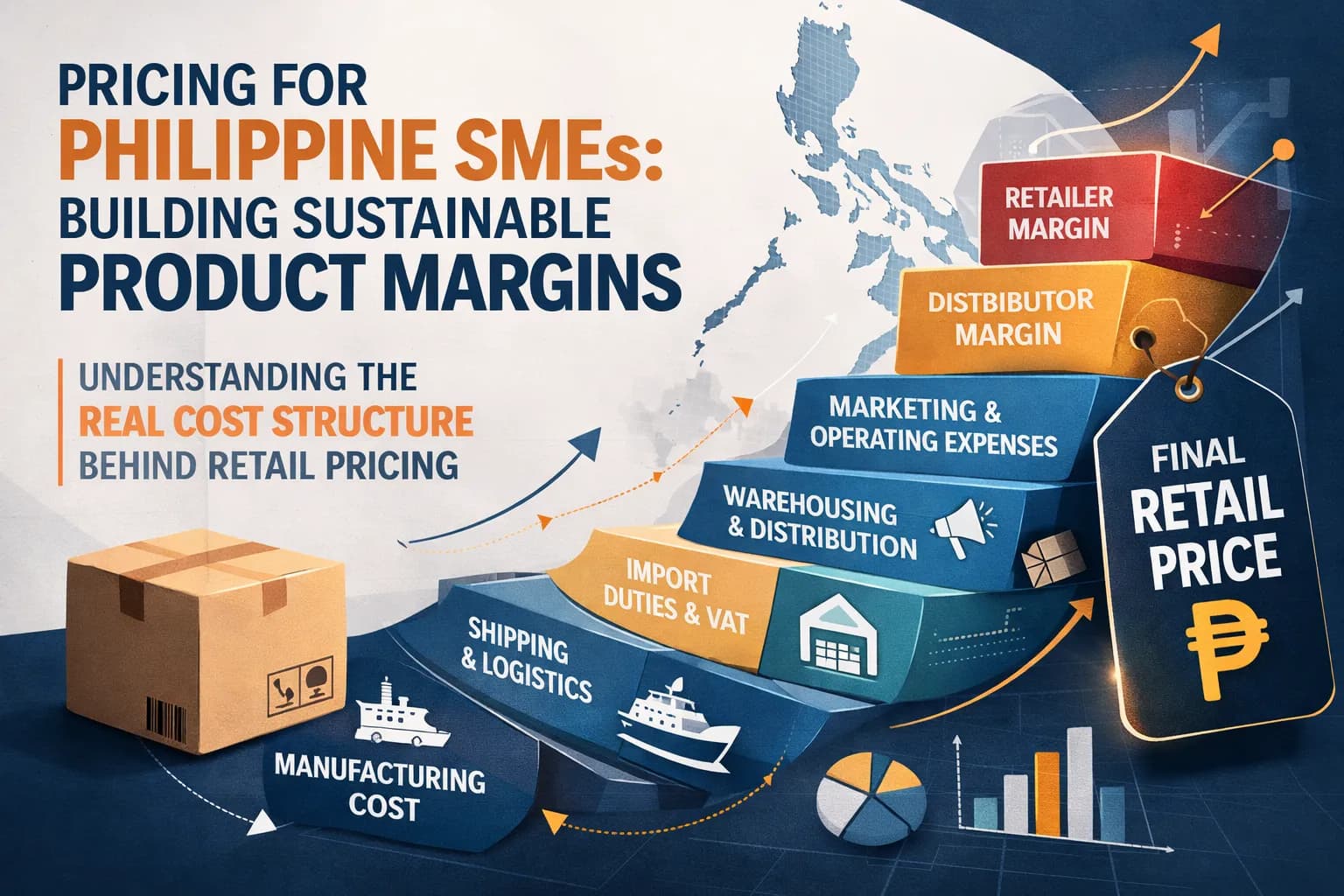
Most product-based businesses underestimate the true cost structure behind selling physical goods. Import duties, VAT, logistics, warehousing, marketing, financing costs, and retail margins all affect the final price. Ignoring these factors results in businesses that appear profitable on paper but struggle with cash flow in practice.
This is particularly important in the Philippines, where micro, small, and medium enterprises account for about 99.5% of registered businesses according to the Philippine Statistics Authority via PIDS.
For SMEs selling physical products — whether online, through retail stores, or through distribution networks — pricing must be treated as an economic system, not a simple markup decision.
Why Many SMEs Price Their Products Incorrectly
Many founders unintentionally underprice their products because they rely on simplified pricing methods that ignore operational realities.
Arbitrary Cost-Plus Markups
Cost-plus pricing — adding a fixed percentage on top of cost — is one of the most common pricing approaches used by small businesses. Guides to SME accounting note that it remains widely used because it is simple to calculate and easy to apply.
However, this method has several structural problems:
- It ignores customer demand
- It ignores competitive positioning
- It assumes cost determines value
Pricing research consistently shows that cost-plus pricing can overlook market demand and competitor dynamics, making it unreliable for many markets.
In practice, two businesses selling identical products may have completely different cost structures due to logistics, purchasing volume, or marketing spend. A fixed markup does not account for these differences.
Ignoring Operating Expenses
Many SMEs calculate price using product cost alone, forgetting that operating expenses must also be covered.
These costs include:
- Rent and utilities
- Staff salaries
- Marketing and advertising
- Payment processing fees
- Software and operational tools
- Customer support and returns
Business pricing guides frequently list forgetting overhead expenses and tax obligations as common mistakes in SME pricing.
If pricing only covers product cost and not operating costs, the business may sell large volumes while remaining unprofitable.
Underestimating Distribution and Import Costs
For importers and distributors, the gap between factory cost and actual landed cost can be substantial.
A typical imported product may include:
- Freight and shipping
- Customs duties
- Warehousing
- Insurance
- Local transportation
- Value Added Tax (12%)
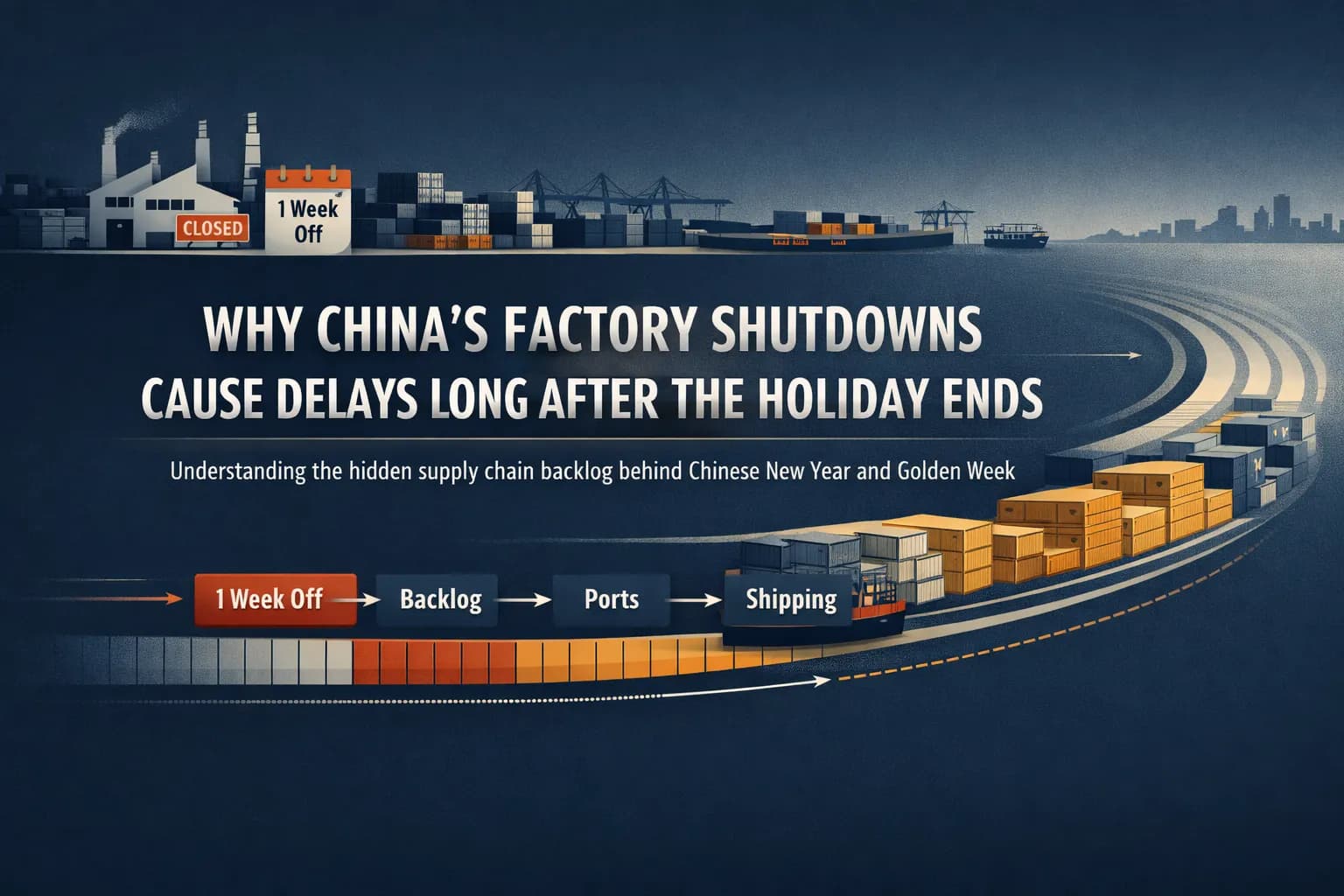
Trade data for the Philippine market notes that distributor and retailer markups often need to cover logistics expenses, VAT, commissions, and other import-related costs. Businesses importing from China face additional timing risks — factory shutdowns can add weeks of delay and freight cost volatility that must be factored into landed cost calculations.
When entrepreneurs price products based only on factory cost, they underestimate the true cost of bringing goods to market.
Markup vs Gross Margin
One of the most common pricing mistakes among founders is confusing markup with gross margin.
Although the terms are often used interchangeably, they represent different calculations.
According to financial references like Investopedia's explanation of margin vs markup, the difference lies in the base used for the calculation.
Markup
Markup measures profit relative to cost.
Example: Product cost ₱70, selling price ₱100, profit ₱30. Markup = Profit / Cost = 30 / 70 = 42.9%.
Gross Margin
Gross margin measures profit relative to selling price.
Gross Margin = Profit / Selling Price = 30 / 100 = 30%.
Why This Matters
Many entrepreneurs say they want a 50% margin, but mistakenly add 50% markup to cost.
Example: Cost = ₱100, 50% markup = ₱150 selling price. But the gross margin is actually 50 / 150 = 33.3%.
This mistake quietly reduces profitability across the entire business.
Pricing for Retail vs Wholesale
Pricing must also change depending on sales channel. Selling directly to consumers requires a different pricing structure compared to selling through retailers or distributors.
Direct-to-Consumer Pricing
Direct retail sales must cover:
- Product cost
- Logistics
- Marketing
- Platform fees
- Customer service
- Operating expenses
- Profit margin
In many retail categories, industry trade guides indicate that retailers often aim for roughly 20–30% gross margins on non-food consumer goods.
This means if a retailer buys a product for ₱100, the typical retail price may range between ₱120–₱130.
Wholesale Pricing
Wholesale pricing exists so that retailers can earn their own margin.
Example structure: Factory cost ₱80, importer sells to retailer at ₱100, retail price ₱125. Importer earns margin, retailer earns margin, consumer pays final price.
Without sufficient room for the retailer margin, most stores will simply refuse to carry the product.
Distributor and Reseller Margins
Distribution margins vary widely by industry.
Market data on distribution economics shows that distributor margins may range from around 3% to 30% depending on product category and operational responsibilities.
Consumer electronics distributors often operate on smaller margins, while apparel or specialty goods distributors may operate on higher margins.
For businesses evaluating how to structure their channel mix, our guide on choosing the right sales channels covers the operational trade-offs in more detail. It is important to understand that distribution margin is not pure profit — distributors must pay for:
- Warehousing
- Logistics
- Sales teams
- Credit terms
- Inventory risk
Pricing and Market Positioning
Price does more than generate profit — it signals brand positioning. Consumers interpret price as a signal of value and quality.
Pricing research from strategy firms such as Simon-Kucher highlights that higher prices can signal quality or exclusivity, while lower prices attract price-sensitive buyers.
Premium Positioning
Premium brands intentionally price higher to reinforce quality perception.
For SMEs, premium pricing can work if the business delivers:
- Strong product differentiation
- Higher perceived quality
- Better customer experience
- Brand credibility
Without those factors, premium pricing quickly collapses.
Value Positioning
Value brands compete on affordability.
However, competing purely on price can trigger price wars, which research from Harvard Business Review notes often compress margins across entire industries. Businesses relying solely on low prices must maintain extremely efficient supply chains.
Common Competitive Pricing Mistakes
Many SMEs make strategic pricing mistakes when responding to competitors.
Copying Competitor Prices
One of the most common errors is matching competitor prices without calculating actual cost structures.
Two companies selling the same product may have completely different:
- Procurement costs
- Shipping costs
- Marketing spend
- Distribution networks
Copying competitor prices without understanding your own cost base can lead to structural losses.
Selling Below Sustainable Margins
Some businesses intentionally underprice products to gain market share.
However, if the price does not cover operational costs, the strategy becomes financially unsustainable. Temporary discounts may be strategic. Permanent underpricing is not.
Competing Only on Price
Price competition alone rarely builds durable businesses.
Long-term competitiveness usually depends on:
- Product differentiation
- Service quality
- Supply chain efficiency
- Brand positioning
Margin Planning Across the Supply Chain
For product-based businesses, pricing must account for every layer of the supply chain.
A simplified product distribution chain: Manufacturer → Importer → Distributor → Retailer → Consumer. Each participant requires margin to operate.
Typical Margin Structure Example
Example: Factory cost ₱100, landed cost after VAT/logistics ₱112, importer margin 15% gives wholesale price ₱129, retailer margin 20% gives final retail price ₱155.
From the consumer's perspective, the product costs ₱155. But internally that price covers:
- Manufacturing
- Import logistics
- Warehousing
- Distribution
- Retail operations
- Taxes
- Profit margins
This layered structure is why retail prices can easily be 40–60% higher than factory cost.
Businesses that fail to plan these margins from the start often encounter serious pricing problems once distribution begins. Experienced trading and distribution companies typically model these cost layers before launching products, working backwards from the target retail price to determine the allowable procurement cost.
Conclusion
Sustainable pricing requires more than simple markups.
For Philippine SMEs selling physical products, pricing must reflect the full economic structure of the business.
Key principles include:
- Pricing must include all operational costs, not just product cost
- Founders must understand the difference between markup and gross margin
- Wholesale and retail channels require different pricing structures
- Pricing should reinforce market positioning
- Competing purely on price often leads to margin compression
- Supply chain participants — importers, distributors, and retailers — all require sustainable margins
Businesses that treat pricing as a strategic operational system — rather than a simple markup decision — are far more likely to maintain stable margins and long-term growth. For companies sourcing and selling physical products, Luxium's procurement and distribution services help build the cost visibility that sustainable pricing requires.